Selling a business should feel like a measured handover, not a fire alarm. The right buyer, the right price, minimal noise. That is the promise of confidential brokerage. It is also a discipline. It calls for process, judgment, and a steady hand at business for sale london, ontario tense moments. At Sunset Business Brokers, the focus is on quiet outcomes for owners across London in the UK and London, Ontario, with playbooks tailored to each market and the discretion to keep staff, customers, and competitors calm until the ink dries.
Many owners start by typing small business for sale London, business for sale in London, or companies for sale London into a search bar, not to buy, but to gauge the landscape. Others go hunting for off market business for sale, assuming that serious opportunities hide from the noise. Both instincts are valid. Confidential sales live in the space between, where a business is carefully introduced to the right set of vetted buyers without a billboard announcement.
What confidentiality really protects
A leak often hurts in four places at once. Staff morale dips, competitors circle, landlords harden, and customers hesitate. Each effect clips value. I once worked with a 22-person digital agency in Shoreditch. A casual remark from a partner at a meetup found its way to a client. The client froze a retainer. That cost three months of EBITDA and a third of the buyer pool. We closed, but at a discount that could have been avoided.

Confidentiality is not secrecy for its own sake. It is timing. The aim is to control when and how information flows, and to whom, in a way that preserves normal operations for as long as possible. If you hear brokers talk about blind profiles, teaser summaries, and NDAs, this is the machinery behind that aim.
What owners mean by “off market”
Off market means the opportunity is not splashed across public portals. It does not always mean hidden. For a well-run café group in West London or a CNC shop in London, Ontario, confidentiality often equals curated exposure, not zero exposure. There might be a handful of discreet notices, carefully scrubbed of identifiers, and a quiet reach-out to pre-qualified buyers already known to be acquisitive in that niche.
If you are searching for off market business for sale as a buyer, understand there is a trade. Brokers open doors for principals who respond promptly, share proof of funds without drama, and engage with respect for the seller’s time. That is how you hear about the next opportunity before it appears on a listing site.
The Sunset process, without fanfare
Every broker says they protect confidentiality. Results depend on how they operationalize it. Here is what has worked consistently when representing owners across both Londons.
It starts with a clean, grounded valuation. For main street businesses with earnings under 500,000, we typically triangulate between a seller’s discretionary earnings multiple, an EBITDA multiple, and asset coverage, with local comparables as guardrails. In central London, EBITDA multiples for durable, systemized service firms frequently sit in the 3.0 to 4.5 range. In London, Ontario, you might see 2.5 to 3.75, reflecting buyer pool density, growth prospects, and financing terms. Multiples rise with recurring revenue, transferable customer relationships, documented processes, and owner independence. They fall with concentration risk, key-person dependency, and deferred capex.
Next, we develop a blind teaser that conveys the essentials without outing the company. “Southwest London, 12-year-old residential cleaning company, recurring monthly revenue of £160k, churn under 2 percent, low owner hours” communicates value without tracing back to a single Google result. The full confidential information memorandum is only released after the buyer signs an NDA, confirms their financial capability, and answers a brief suitability questionnaire.
Buyer vetting is not gatekeeping for its own sake. It is matching. Time spent with tire-kickers is time lost with serious principals. For searchers who want to buy a business in London or buy a business in London, Ontario, the quickest path to trust begins with a short profile, a funding outline, and a clear thesis about what they are looking for.
A seller’s short checklist for staying confidential
- Keep your circle tight. Limit knowledge to essential advisors and anyone whose cooperation is vital. Scrub digital footprints. Remove brand names from teasers and log out of brokerage portals on office devices. Use code names in calendars and email subjects. Assume anything on a shared server can be seen. Stage buyer meetings offsite or after hours. Never in a visible conference room or busy café next door. Manage timing with suppliers and landlords. Pre-negotiate consent language where you can.
Those small habits stop accidental leaks. They also reduce your stress. When your team learns at the right time, from you, with a plan, they stay.
Where London and London, Ontario diverge
These two markets share a name and a love for tea, but they behave differently in a sale. Many owners find value in understanding the nuances before going to market.
- Buyer pool dynamics: Central London has a dense mix of private equity-backed platforms, family offices, and well-funded searchers. London, Ontario relies more heavily on individual owner-operators, local strategic buyers, and regional investors. Financing norms: UK deals often blend senior bank debt with a vendor loan and an earn-out. In Ontario, traditional bank financing, BDC involvement, and the use of the buyer’s home equity are common, with vendor take-backs frequently bridging gaps. Landlord consent: Prime London leases carry reputational landlords who scrutinize assignees. In Ontario, consent is still critical, but negotiations tend to be faster with community or national landlords who value continuity and personal guarantees. Licensing and compliance: A London café with a late license faces council processes and neighborhood scrutiny. In Ontario, health and AGCO requirements are clear, but timelines and paperwork differ. Advance mapping saves weeks. Data privacy: UK GDPR rules shape how customer data is shared in diligence. Canada’s PIPEDA applies in Ontario. Processes must reflect the local regime to avoid last-minute halts.
A broker who can navigate both plays by the rules of each street, not a generic script.
Pricing quietly, negotiating calmly
Overpricing invites long tails that breed whispers. Underpricing leaves money behind. The sweet spot is a guided range, with a clearly written logic a buyer can respect. For example, a London plumbing and heating firm doing £3.2 million revenue with £520k normalized EBITDA, low customer churn, and three supervisors who can run the diary might deserve 4.0 to 4.25 times EBITDA, plus working capital conventions. A Brady Street boutique with volatile seasonal trade and heavy owner presence likely sits closer to 2.75 to 3.25 unless there is brand equity that transfers.
In Ontario, a sheet metal shop with $1.7 million in sales and $380k SDE, two long-tenured lead hands, and a clean safety record might see 2.8 to 3.2 times SDE cash at close, with a vendor note for 10 to 20 percent. Lenders in Canada tend to prefer stable cash flow histories. A single lumpy year prompts haircuts, even if the story makes sense. The job is to package the story so the exception is understood and priced fairly.
Negotiation works best when parties feel they can solve problems together. That is where a broker earns their fee. You need someone who can sharpen numbers, hold firm against fishing expeditions, and still keep the room warm.
Marketing without leakage
Marketing a confidential business is like fishing at night with the right lure and line weight. Scatter enough signal to attract the right buyers, avoid the splash that brings everyone else. The blind profile, a discreet notice on a couple of professional exchanges, and direct calls to a curated buyer list do most of the work. For a business for sale in London with high brand visibility, we often shift first meetings to a neutral site and cloud the location details until a second call. For businesses for sale London, Ontario, especially industrial or B2B services, we emphasize capability and contracts over names.
Some owners ask about paid ads or blasting their sector. Resist the urge. If you are a recognizable company, too much noise turns into guesswork on Reddit threads and local forums. It rarely helps.
Diligence done quietly
Diligence is where confidentiality can fray. The best approach is to stage it. Phase one covers financials, high-level customer mix, key contracts, and the operational org chart, all in a secure data room, with customer names masked and only unmasked after conditional terms are agreed. Phase two gets into site visits and management interviews, ideally on a day when your reasons for a few unusual visitors make sense. If your business has distinctive machinery or a location obvious to industry watchers, schedule a late afternoon walkthrough, then a dinner offsite. Keep phones in pockets.
Employee interviews happen late, often after a signed letter of intent with a retention plan drafted for the key few. Handled correctly, those conversations become energizing, not alarming.
Landlords, franchisors, and other gatekeepers
Lease assignment clauses and franchisor approvals can be the narrow gate through which your whole deal must pass. The most common avoidable delay in London is failing to prepare a landlord pack: buyer CVs, personal financial statement, bank comfort letter, and a cover note explaining transition planning. In one Soho lease, the landlord expected a 12-month rent deposit for assignees below a certain net worth. Knowing that early allowed us to price it into working capital and avoid a last-minute call to the bank.
Franchise sales, whether in Wandsworth or Westmount, add a second set of diligence. The brand will want to see training capacity, adherence to ops manuals, and sometimes remodel commitments. A candid pre-flight with the franchisor saves everyone from surprises.
The human side: timing and fatigue
Deals can run 90 to 180 days end to end. Faster closings happen, but only when records are crisp, advisors are aligned, and surprises are rare. After the first adrenaline rush of buyer meetings, momentum dips. That is when sellers get tempted to widen the circle and buyers grow anxious. A broker’s job is to keep the cadence: weekly updates, clear next steps, and decisive handling of new requests. If diligence has dragged past the agreed timeline without material cause, we push for a decision. A delayed no is worse than a swift one.
I remember a family-owned logistics firm near Park Royal. The buyer was strong, numbers checked out, then an environmental report flagged a historic spill two units over. Not our site, but close enough to warrant extra testing. We paused, agreed on a split for the additional cost, and set a two-week decision gate. The result was a clean follow-up and a closing, not a slow fade.
Two stories of quiet sales
A West London specialty food retailer wanted out after 18 years. Strong margins, brilliant suppliers, and an owner who worked six days a week. We priced the business at a modest earnings multiple with a small vendor loan, crafted a blind summary that emphasized category depth, and targeted buyers who had previously acquired delicatessens and premium grocers. The first three meetings took place in a rented office a few streets away. Staff learned of the sale only after the letter of intent, along with announced pay rises and a retention bonus. The day we told them, two cried with relief. The transition went smoothly, and the brand thrives.
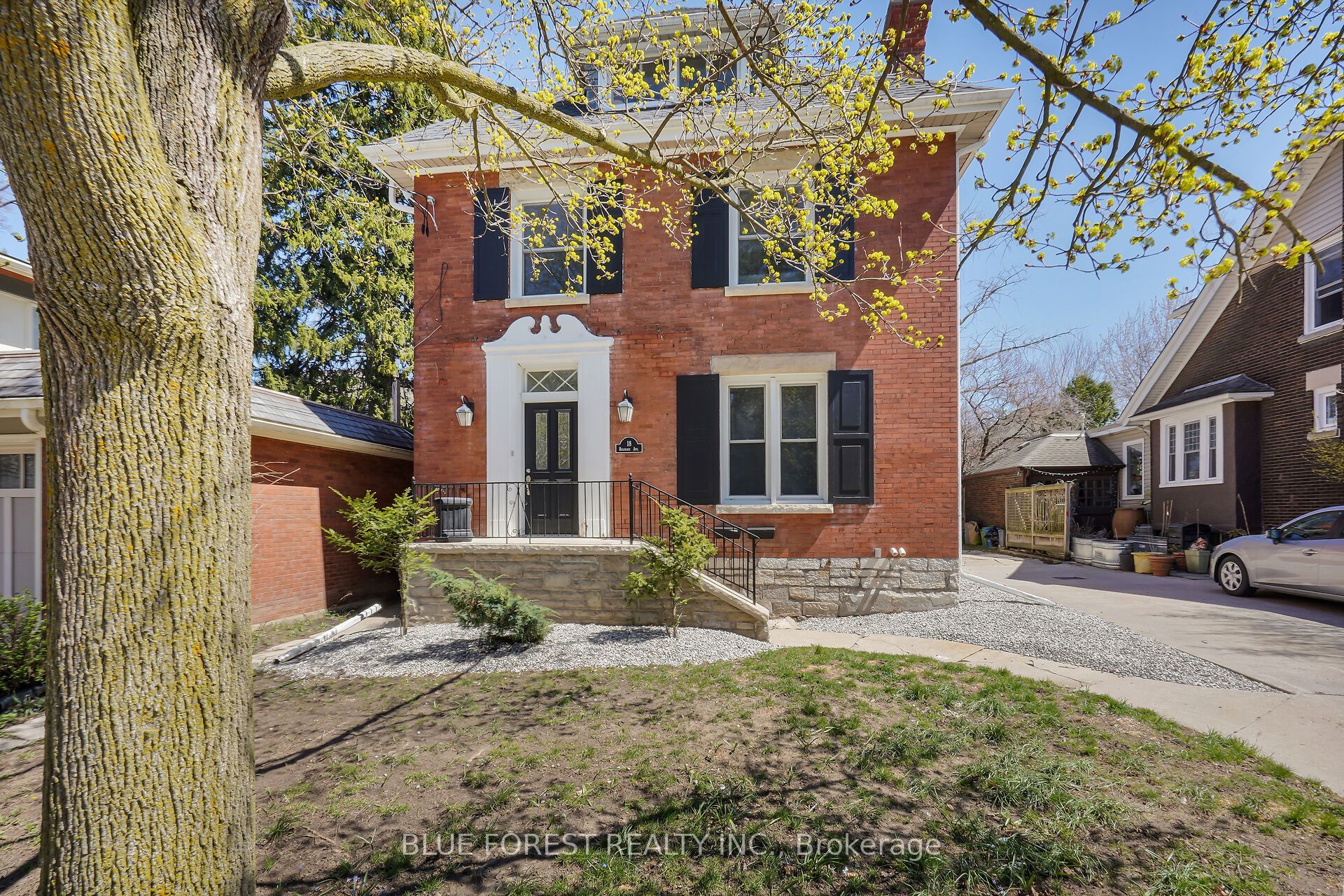
Across the Atlantic, a London, Ontario fabrication shop faced owner burnout. Great backlog, weak documentation. We spent two weeks building SOPs from the owner’s head into simple one-page guides. That alone calmed lender nerves. The buyer, an engineer relocating from the GTA, brought $600k equity and lined up financing with BDC support and a vendor take-back. The shop’s largest customer wanted stability assurances. We arranged a joint call under NDA, introduced the buyer as the future lead, and avoided spooking procurement. Closed in 127 days. The staff BBQ two weeks later felt like a new season.
For buyers: how to stand out and get first calls
If you aim at buying a business in London or buying a business London, quiet brokers will notice you faster if you play the long game. Send a short capability note. Explain your thesis and preferred size. Share a proof of funds summary, even if you expect to use bank leverage. Be responsive. The buyer who replies within a day, signs clean NDAs, and offers thoughtful questions gets the second email when the next small business for sale London or business for sale in London Ontario surfaces. Not because of favoritism, but because reliability is currency in confidential processes.
Buyers often ask about “liquid sunset business brokers” and “sunset business brokers” after hearing the name in a forum. Names matter less than method. Ask brokers how they vet buyers, how they mask identities, and how they sequence diligence. Good answers sound specific, not theatrical.
Fees, alignment, and the one thing you should not outsource
Brokerage fees vary by size and complexity, typically a success fee tied to the transaction value, sometimes with a small retainer that credits at close. Beware of structures that encourage a quick discount deal instead of an optimal one. A fair engagement rewards preparation and patience. At Sunset Business Brokers, alignment means setting a price strategy together, committing to a properly staged buyer outreach, and not blowing the horn prematurely.
One thing you should not outsource is vendor readiness. Clean books, a working capital picture, top five customer histories, equipment lists, key contracts, and a thoughtful transition plan signal quality. If your P&L hides a personal car, home internet, and three family mobile plans, normalize them openly. Serious buyers are not offended by owner benefits. They are offended by surprises.
When a broker is not the right move
Some owners do fine selling direct. If your buyer is obvious, like a partner, a family member, or a competitor who has already made overtures, formal brokerage may add little. A consultant to quarterback diligence, a lawyer who specializes in deals, and a tax advisor to structure the exit can be enough. The value of a broker increases with the need for confidentiality, the complexity of the buyer universe, and the desire to create competitive tension without public noise.
Starting the conversation
If you are even a little curious about what your business might fetch, you do not need to shout it from rooftops. A quiet valuation review, a talk about timing, a sanity check on readiness, and a sense of the buyer pool can be done over a coffee, or a video call if that suits you better. For business brokers London Ontario searches or a business broker London query in the UK, you will find plenty of noise. Choose the partner who talks more about protecting your people and less about blasting your brand. If you want to buy a business London Ontario or buy a business in London, expect to be vetted. It is a compliment, and it keeps good opportunities coming your way.
Names, numbers, and structures matter in deals. So does bedside manner. Confidential sales are a craft. Done well, customers keep shopping, crews keep showing up, suppliers keep shipping, and the owner walks away proud of the handover. That is the kind of sunset worth aiming for.
Liquid Sunset Business Brokers
478 Central Ave Unit 1,
London, ON N6B 2G1, Canada
+12262890444
Liquid Sunset Business Brokers
478 Central Ave Unit 1,
London, ON N6B 2G1, Canada
+12262890444